‘System Built to Fail’: ICPC Reveals Startling Corruption Loopholes in Nigeria’s Contract Process

By Vivian Daniel
Nigeria’s contract system is so compromised by corruption, weak oversight, and deliberate manipulation that it now threatens national development, according to the Independent Corrupt Practices and Other Related Offences Commission (ICPC).
According to the press statement signed on 10 December 2025 by the Commission’s Spokesperson, John Okor Odey (ANIPR), this sobering reality was revealed during a Procurement Engagement Workshop in Abuja, where it laid bare how the system has been hijacked by powerful networks operating within government institutions and the private sector.
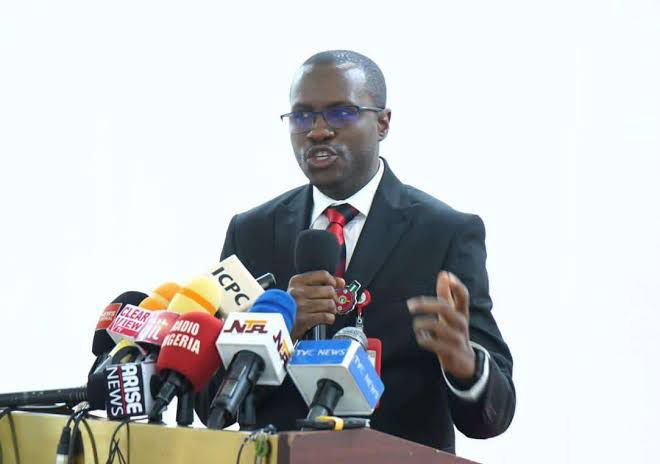
The Chairman of the ICPC, Musa Adamu Aliyu (SAN), ably represented at the event by the Commission’s Secretary, Clifford Okwudiri Oparaodu (DSSRS), said the country’s procurement landscape has become a “breeding ground for waste, abuse, and criminal collaboration.” From inflated contracts to phantom projects that never materialise, Aliyu said Nigeria is bleeding resources that should be transforming communities, roads, schools, and hospitals.
Drawing from years of field data, Aliyu underscored revelations from the Commission’s Constituency and Executive Projects Tracking Initiative (CEPTI), which he described as both shocking and deeply worrying. Investigators, he disclosed, found government projects deliberately constructed on private property, a manoeuvre that allows corrupt actors to misappropriate public funds while creating legal obstacles for completion.
Other troubling discoveries include duplicated contracts awarded within the same fiscal year, abandoned projects triggered by political transitions, and contractors who routinely exploit loopholes in oversight systems.
But perhaps most dangerously, Aliyu warned that even the introduction of technology will fail to save the procurement system unless deeper structural reforms are implemented.
“Transparent procurement requires full disclosure, open competition, and rigorous performance reporting,” he said, stressing that e-procurement tools are “futile without political will and institutional reform.”
He also appealed directly to the National Assembly, urging lawmakers to prioritise adequate funding for anti-corruption agencies and speed up the establishment of Special Crimes Courts. According to him, these courts would fast-track corruption cases, strengthen deterrence, and dismantle the culture of impunity that currently protects offenders.
Meanwhile, the workshop drew intense reactions from stakeholders who echoed the ICPC’s concerns. Prince Moshood Akiolu, Chairman of the House Committee on Anti-Corruption, commended the Commission’s work and issued a charge to procurement officers nationwide: “Ensure value for public money.” He warned that future oversight by the legislature would be stricter and more evidence-driven.
The Director-General of the Bureau of Public Procurement (BPP), Adebowale Adedokun, described his agency’s partnership with ICPC as “neighbourly and essential,” whilst stressing the need for additional legislative power to repair the weak points in the nation’s procurement chain.
Offering a technical insight into the human cost of corruption, Professor Samson Duna, Director-General of the Nigerian Building and Road Research Institute (NBRRI), warned that fraudulent procurement directly endangers lives. He revealed that substandard materials, often supplied through compromised contracts, account for “38 per cent of building collapses in Nigeria.”
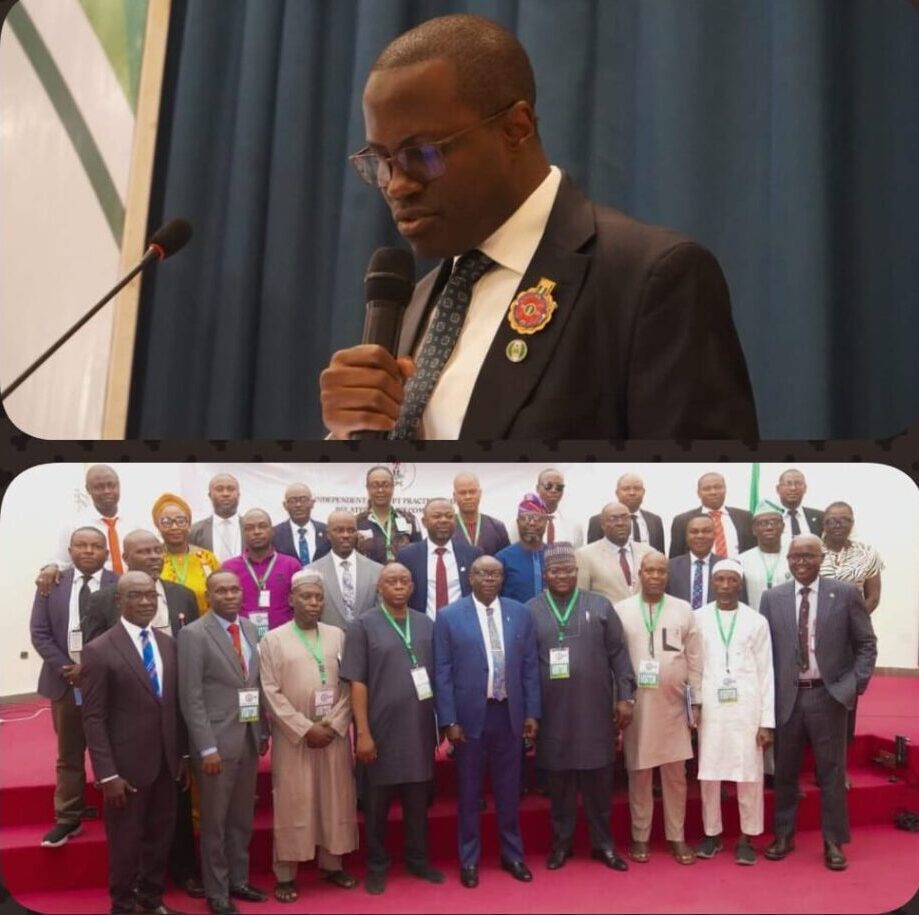
The event brought together procurement directors, technical experts, reform advocates, and senior government officials, creating a unified chorus calling for a sweeping change. By the end of the workshop, the message was unmistakable: Nigeria’s procurement system is broken, but with coordinated reform, strong laws, and political courage, it can still be rebuilt.